2025 Will Be the Year of B2B Personalization, Are You Ready?

As B2B marketers ready their brands for a successful 2025, they must say goodbye to a one-size-fits-all marketing approach and do everything possible to deliver a truly personalized customer experience. To do so, they must connect with buyers earlier in the sales cycle and collaborate across teams (e.g., sales, content, paid media, email) while making personalization part of every interaction.

No longer a nice-to-have, personalization is a modern business imperative. By delivering personalized experiences, companies can significantly boost revenue, reduce customer acquisition costs, and increase customer loyalty. Not only that, but today’s buyers expect and demand personalized experiences and they are less than understanding if they don’t receive them. According to McKinsey, 71% of B2B buyers expect personalized interactions and become frustrated when they don’t receive them. Furthermore, companies with faster growth rates derive 40% more revenue from personalization compared to slower-growing companies.

The good news is that B2B brands today have access to a wealth of necessary customer data, from behavioral patterns to purchase history. This data is invaluable for creating highly targeted, personalized marketing strategies that speak directly to each member of the buying committee. To capitalize on this opportunity, marketers must invest in sound practices for collecting and utilizing this data to understand and anticipate the evolving needs of their high-value customers.

I predict that this is only the beginning of brands embracing the use of data-driven personalization. In fact, a recent survey of full-time marketing, advertising, communications and social media professionals found that almost half (49%) plan to allocate more budget to delivering personalized buyer experiences in 2025, and 60% will do so by investing more in AI tools next year.

When B2B brands successfully leverage personalization strategies, they put themselves in a stronger position to gain a competitive edge and reap these three key benefits:

1. Increased Customer Engagement:

  • Personalized recommendations: Using data on past purchases, browsing history, and preferences, brands can recommend products or services that are most likely to be of interest to individual customers. This can be done through email marketing, social media ads, or on the brand’s website.
  • Personalized content: Brands can create and deliver content that is tailored to the specific interests and needs of individual customers. This could include blog posts, articles, videos, or social media updates.
  • Personalized offers and promotions: Brands can offer exclusive deals, discounts, and promotions to individual customers based on their past behavior and preferences. This can help to incentivize purchases and build customer loyalty.

2. Improved Customer Experience:

  • Personalized customer service: Brands can use data to provide personalized customer service interactions. This could include using chatbots to answer customer questions, providing personalized support over the phone, or offering proactive assistance based on customer behavior.
  • Personalized website experiences: Brands can personalize the website experience for each individual customer, such as displaying relevant products, offering customized recommendations, and tailoring the website’s design to the customer’s preferences.

3. Increased Revenue and Profitability:

  • Personalized pricing: Brands can offer personalized pricing to different customer segments based on their value to the company and their willingness to pay.
  • Personalized upselling and cross-selling: Brands can use data to identify opportunities to upsell or cross-sell products and services to individual customers.
  • Improved customer lifetime value: By delivering personalized experiences, brands can build stronger relationships with their customers, increasing customer loyalty and lifetime value.

Advances in AI, analytics, and data over the past few years have created new frontiers for marketers. By leveraging data and technology to deliver personalized experiences, brands can build stronger relationships with their customers, increase customer engagement and loyalty, and ultimately drive revenue growth. This is sure to be a winning recipe for 2025 and beyond.


Influencer Marketing: Is It Right For Your Brand?

It’s no secret that the online world is overflowing with noise. Every brand, big or small, is vying for attention, making it difficult to grab the spotlight. Consumers are growing increasingly skeptical of self-promotion, which is why the demand for new and innovative digital marketing strategies is on the rise.

The last few years have put a larger strain on the ability of growing businesses to survive. Those that have made it this far can’t afford to get complacent. They must constantly find new ways to market themselves so that they not only stand out but stay ahead of the game.

Increasing numbers of brands have leaned into influencer marketing to connect with their target customers and boost their marketing efforts. Its rise has been hard to ignore, quickly becoming a favorite among digital marketers and business owners alike. In April, I partnered with Growclass to run a session titled, “Authority, Impact, and the Future of Influencer Marketing” in which ​I explored how to use and create influence, collaborate with influencers, and capitalize on the major opportunity of influencer marketing. Here is more detail and insight into what was discussed.


What exactly is influencer marketing? 

We are going through a revolutionary shift. First there was the industrial revolution, then the mass media revolution, and now we’re in the middle of a digital revolution. If you think about it, advertising stayed the same for about 50 years until the disruption brought forth by the Internet and social media. When is the last time you drove by a billboard or saw a newspaper ad and purchased something? Chances are it’s been a while. But when is the last time you watched a video on TikTok or Instagram of someone talking about the virtues of a particular product and then bought it? Chances are this happened much more recently.

Influencer marketing is a type of online marketing that involves businesses collaborating with individuals who have a large, highly engaged following on social media to promote their products or services. The goal of influencer marketing is to increase brand awareness, website traffic, and sales by reaching new audiences.

Unlike traditional celebrities, influencers build personal connections with their followers, and their recommendations are often highly regarded. Influencers are often experts with in-depth knowledge about certain subjects, which gives them leverage to motivate their followers to take desired actions. By collaborating with relevant influencers in your niche, you can tap into their large and dedicated social media followings and boost your brand’s visibility and credibility in the process.

These influencers are just like you and me, but they consistently post online, in the niche of their choice. For example, they may share blogs, vlogs (video blogs), tutorials and more. It can be especially effective because people often trust the individuals they follow on social media, so if they see someone they trust promoting a particular brand, they may move more quickly through the sales funnel.

Why should I care?

The influencer marketing sector isn’t going anywhere anytime soon. Influencer Marketing Hub predicts the market size to reach an estimated $24 billion by the end of 2024, indicating strong ongoing growth momentum despite challenging economic conditions.

Brand interest in sponsored content, as opposed to traditional social ads, continues to rise, and create opportunities for influencer partnerships. If you’re a marketer looking to collaborate with creators, know that research shows that 93% of creators are willing to work with brands for just free products. While this may be true, if they love the brand or the product value is high, it’s crucial to ensure that creators are fairly compensated for their time and effort. Not compensating influencers can be unethical and have negative consequences for your brand’s reputation. Remember, a successful collaboration is one where both parties benefit. 

According to a report by Morning Consult, the majority of millennials and Gen Z social media users survey said they trust influencers on social media. This is up from 51% in 2019. There’s an increasingly blurred line between influencer and user-generated content creators. But the fact remains that shoppers are more likely to buy from brands that have been recommended by people they trust, which includes people raving about your products. In fact, according to Nasto, 79% of people say user generated content impacts their buying decisions and therefore developing a good mix of authentic UGC alongside your influencer campaigns could be a winning formula. 

How can I get started?

According to an Adobe study, TikTok is the most popular channel for influencers, ahead of Instagram (47%), YouTube (33%) and Facebook (28%). TikTok users love tutorials with 62% of users choosing this type of content. Following closely are product or service reviews and personal stories at 38%.

Furthermore, 82% of brands believe that influencer marketing campaigns generate higher-quality leads than other types of marketing. But remember that quality is better than quantity. Up to 82% of brands say they see better ‘quality’ leads from influencer marketing campaigns over any other campaign. It’s not clear what is considered ‘quality’ in this instance, but some examples could include the original purchase order value or returning customer rate after first finding you via your influencer campaign.

How is AI playing a role?

AI is changing influencer marketing by providing tools and solutions to help brands make data-driven decisions, automating sourcing, authenticating, and managing influencer relationships. AI-powered tools analyze social media data to identify potential influencers who best match a brand’s target audience and values. These tools consider factors like demographics, interests, engagement rates, and the authenticity of an influencer’s following. This automated process saves time and helps brands find the most suitable influencers for their campaigns. Content creators and brands seem to be cautiously optimistic about the introduction of AI into their influencer marketing efforts. 

A survey found that 76% of marketing agencies and 52% of influencers were already using some form of AI to analyze data, find influencer partners or support content creation.  Other brands are going a step further and working with virtual influencers as an alternative to traditional creators.

With the power of AI, brands can now optimize their content to better resonate with their target audience. This ensures that consumers receive highly personalized messaging that is more likely to convert them. Additionally, AI can help companies track and analyze the performance of their influencer marketing campaigns, enabling them to make data-driven decisions. As the role of AI continues to grow, it’s exciting to see the positive impact it’s having on influencer marketing.

What kind of influencer should I work with?

Not sure whether to work with a nano-influencer or a micro-influencer? This all depends on what you’re planning to achieve through your campaign. There are many differences and benefits each offer, and it’s important to understand which type would be better for your business. Here’s a quick snapshot:

Mega-influencers > 500,000 followers

Macro-influencers 100,000-500,000 followers

Micro-influencers 10,000-100,000 followers

Nano-influencers < 10,000 followers

 
Influencer Marketing Hub has a great article breaking it down: Nano vs. Micro-Influencer Marketing: What’s the Difference?  Once you have a clearer picture, it’s time to figure out which option is better. Research has shown that on average brands spend less than $50K on influencer marketing, while nearly 15% spend over $500K. Of course, setting a budget entirely depends on what you want to achieve, how much you’re willing to spend and what you expect your return to be.

  • Reach vs. engagement. Macro-influencers offer a wider reach, while micro-influencers usually provide higher engagement rates. Consider your goals and whether you prioritize reaching a larger audience or creating meaningful connections with a more engaged community.
  • Target audience. Assess your target audience and their preferences. Micro-influencers often have a niche following that closely aligns with specific demographics or interests, while macro-influencers appeal to a broader range of people. Choose influencers whose audience matches your target market.
  • Authenticity. Micro-influencers are known for their authenticity and relatability. Their content feels genuine and personal, which can enhance trust and authenticity for your brand. Macro-influencers, although influential, may be perceived as more commercialized, so consider the level of authenticity that you want to convey.
  • Budget. Macro-influencers typically charge higher fees due to their larger following and higher level of influence. Micro-influencers, on the other hand, may be more cost-effective, making them suitable for brands with limited budgets. Determine what you’re willing to invest, and the value you expect to receive.
  • Goals and objectives. Consider your campaign objectives. Macro-influencers are best for broad brand awareness and visibility, while micro-influencers excel at niche marketing and building highly engaged communities. 
  • Content quality and style. Macro-influencers often have access to professional production teams, resulting in polished content. Micro-influencers may have a more organic and raw approach. Determine which aligns best with your brand image and messaging.
  • Long-term partnerships. Micro-influencers may be more open to ongoing collaborations, fostering a stronger brand association. Macro-influencers are best for one-off campaigns or larger-scale initiatives.

Love it or hate it, influencer marketing works.

Influencer marketing is the fastest growing and most cost-effective method of online customer acquisition. Nearly 60% of respondents in the State of Influencer Marketing 2024: Benchmark Report intend to increase their influencer marketing spend in 2024 and 26% intend to spend more than 40% of their marketing budget.

Let’s say goodbye to the same old social media posts and breathe new life into digital marketing campaigns through relevant influencers. Allow influencers to add personal touches to their captions to keep your audiences engaged and interested. Trust their creativity and see the positive impact it can have on your brand’s image.

If you’re still not convinced influencer marketing delivers value, it’s time to dip your toe into the influencer marketing waters and take your brand to the next level! No life jacket required.

Stay Ahead of These Five Emerging Marketing Trends Throughout 2023

In the exciting and fast-paced world of marketing, change is constant. Marketing trends are constantly evolving, and it’s up to brand leaders to stay up to date on the latest developments and adapt their marketing strategies to stand out from the competition. Keeping up with these changes isn’t always easy, but it’s essential in order to remain relevant with your audience and build enduring customer loyalty and satisfaction.

Trends happen for a reason. In many instances, they provide valuable insight into how your brand can best reach and connect with your target audiences. Staying on top and ahead of the trends is the first step. Determining how to best utilize the trends to your benefit can be an important differentiator.

As the second quarter of 2023 begins, these are the five biggest trends you should be tracking and maximizing:

1. Personalization: Customers are increasingly expecting personalized experiences from brands, and this trend is likely to continue throughout 2023. Customer expectations around personalization are also on the rise with 73% of shoppers expecting brands to understand their unique needs and expectations.  (Source: Insider Intelligence). While personalization was once a nice-to-have bonus, it is now essential for standing out within an increasingly competitive digital landscape.

To meet customers’ needs and preferences, brands will need to use data and technology to better understand their customers and tailor their marketing messages and offers accordingly. If you’re able to get this right, you can win a loyal customer who feels deeply connected to your brand.

2. Video marketing:  If video marketing is the future, the future is here! It’s not a major surprise that video is becoming an increasingly popular form of content, and this trend and demand is expected to continue for the remainder of 2023. A recent study shows that as many as 91% of consumers want to see more online video content from brands (Source: Wyzowl). And since 2017, the amount of online video consumed monthly has more than quadrupled.

    Brands will need to create high-quality video content that engages their target audience across a range of platforms, including social media, websites, and more. In my opinion, short and sweet is the way to “win” with video content. In fact, according to Sprout Social’s recent survey, short-form videos are found to be the most engaging. As many as two-thirds of consumers (66%) say they pay the most attention to short-form videos—2.5 times more than long-form videos. This is in line with the increasing number of videos on channels such as TikTok, YouTube and Instagram and video becoming an expected part of the online and social media experience.

    3. Influencer marketing: Influencer marketing has become a popular way for brands to reach new audiences and build brand awareness. Throughout the rest of 2023, I expect to see more brands partnering with influencers to promote their products and services, particularly on social media platforms including shorter form video platforms such as Instagram and TikTok. Creator marketing can help drive brand growth and overall visibility across the entire purchasing funnel and many companies have begun to leverage online as well as offline influencer strategies over the past few years.  

    I believe the rise of micro-influencers will be where brands can stand out and successful leverage influencers as well as social media overall. As consumers are looking for more relevant and relatable content, marketers are turning to nano- or micro-influencer collaborations. These often-unpaid content creators with 1,000 to 100,000 followers have very active and engaged audiences. The benefit in my mind of these “smaller influencers” is that they often have a greater ability to truly connect with their community, which can give them significant influencing power. Consumers in general are likely to trust them for their expertise, product reviews and service recommendations. When brands activate them at scale, nano- and micro-influencers can be a great way to target niche audiences, drive awareness and boost sales.

    4. Sustainability: Customers are increasingly concerned about environmental and social issues, and they expect brands to act on these issues. Sustainable marketing is the promotion of environmentally and socially responsible products, practices, and brand values. If you’ve ever spent a little bit more on something because you knew it was locally sourced or 100% recyclable, you’ve taken part in supporting sustainable marketing.

    Within 2023, we can expect to see more brands promoting their sustainability efforts and highlighting their commitment to social responsibility. There are several ways brands can begin to approach becoming more sustainable including donating profits to sustainable causes, sourcing sustainably materials or packaging, and creating products that aides in sustainable living or more. One of my favorite brands and category sustainable commerce leaders, Patagonia, pledged 15% of sales to the preservation and restoration of the natural environment since 1985. In 2022, that amounted to a total of over $140 million. They have also set a target to become completely carbon neutral by 2025.

    The big picture of embracing sustainable marketing is that you’re able to position your brand as an active figure in an environmental or societal issue. It can humanize your brand messages and create another reason why customers should choose you over your competition.

    5. Voice search optimization: Consumers are beginning to search for more things using their voices. In fact, the number of voice assistants is expected to reach 8 billion units in 2023, up from 3.25 billion in 2019. (Source: Statista)

    I maintain that 2023 is the year of voice search optimization. As more people use voice assistants like Siri, Alexa, and Google Assistant, brands will need to optimize their content for voice search. This means creating content that is easily discoverable and readable by voice assistants and making sure that the brand website is optimized for voice search. Voice search is not just a component of today’s digital marketing landscape, it’s the future. Search engines are becoming more advanced and voice assistants are getting better at understanding the incoming questions and will provide more accurate results. In turn, that accuracy can encourage more people to take advantage of voice search instead of the more traditional time-consuming search process. 

    By focusing on personalization, video marketing, influencer marketing, sustainability, and voice search optimization, brands can stay ahead of the curve in 2023. What else are you working on this year? Leave a comment below.

    Transforming Networking into Sales is Easier Than You May Think

    When networking is done well it can be the most powerful form of marketing— for you and your business. Yes, it can feel overwhelming at times— no one likes walking into a room full of strangers and having to start a conversation— but it a surefire way to elevate your brand or business. 

    Earlier this year I ran a session on how to turn networking into sales during InEvent’s 20 in 30 Webinar Series: Future of Content & Digital Trends. Within the session we explored how to learn and apply new skills and strategies when networking in events as a means of creating new business opportunities. 

    This got me thinking, how can we continue to build on the idea of turning networking into sales for the remainder of 2022 and as we start to think about 2023? Here are a few key learnings:

    Create a strong online presence

    Remember that the first thing someone will do before hiring or working with you is to check you out online. Potential customers need to know you, like you and trust you ahead of buying from you or doing any business with you. Therefore, the need to network and gain access to a referral network is crucial and having an online presence is a must. Additionally, many businesses refer customers and have strong relationships within their industry so the ability to network, connect and grow your relationships becomes of the utmost importance when you’re working on building your sales pipeline.  

    Carefully craft your content marketing strategy

    Another way to enhance your online presence and bring added value to your network is through content marketing. In a crowded digital environment, providing consistent high-quality, and engaging content impacts audience decision-making more than any other technique. According to Hubspot’s 2022 State of Inbound report, content creation is a top priority for 80% of marketers and on average, accounts for 26% of B2B marketing budgets. First impressions matter and having a digital footprint does as well.   

    Develop visual and snackable short content

    When developing your content marketing strategy, keep in mind that Microsoft research found that the average human attention span is now only 8 seconds (compared to 12 seconds in 2000). People have little patience to read through long form written content and may even be turned off it it’s too long or comprehensive. How do you make a big impact in the first eight seconds? By developing short and snackable content, which is digestible and informative.

    In addition, think about site speed. Research by Nielsen found people do not read content on web pages word for word; instead, they scan the page, picking out individual words and sentences. Some of these tips can go a long way in grabbing and keeping attention:

    ·     Highlight important keywords

    ·     Use bullets to make important points stand out

    ·     Use subheadings to break out key sections

    ·     Focus on one idea per paragraph

    Again, the “snackable” content is what catches our eyes and can help to generate leads. The more an audience views your content, the more likely they are to purchase from you in the future! 

    Develop User Generated Content (UGC) to stand out

    When a brand generates User Generated Content (UGC), it helps consumers feel like they’ve been seen. Who doesn’t love being highlighted by a brand they love? Content creation involves gathering, reviewing, and sharing the most relevant and impactful content with your audience. More than 86% of companies today use user-generated content as part of their marketing strategy. And users who create and share content on social media channels get 28% higher engagement compared to standard company posts. Think about how to incorporate UGC into your content marketing strategy to stand out and cut through the noise to captivate your customers’ attention.

    One of my favorite brands, Warby Parker, has become well known for shipping customers frames to try on at home before purchase, a service the company continues to promote via an ongoing UGC campaign. The brand has launched series of high successful social ads using different formats of UGC content including video testimonials, camera photos from customers trying on at home, and motion GIFs. This has allowed Warby Parker to highlight both its stylish frames and its convenient home try-on option in a genuine way. 

    Lean into video

    Content has a reputation for being “king,” but I believe that video is now taking over the crown. According to a Cisco study, by the end of 2022 82% of all online content will be video content. Video content is one of the most engaging forms of content and in my opinion will soon dominate social media and emerge the clear winner over all other types of content. Whether it is short-form videos like those popular on TikTok or Instagram Stories or long-form content viewed on YouTube, videos are the future of social media content.

    Video can also help increase conversions and sales. In fact, according to Insivia, adding a product video on your landing page can increase conversions by 80%. Video can also lead directly to sales. A wyzowl study show that 74% of users who watched an explainer-video about a product or service subsequently bought it. So, if you’re looking for a new way to increase sales, think about a fun and dynamic way to showcase your brand and product through video!

    Embrace the metaverse

    Many experts look at the metaverse as a 3D model of the Internet. Basically, a place parallel to the physical world, where you spend your digital life. A place where you and other people have an avatar, and you interact with them through their avatars. I would argue that the metaverse in the truest sense of the term doesn’t exist yet, but marketing professionals are working through how to adapt this online space and build it into 2023 plans.

    During the pandemic it looked as though livestreaming and hybrid streaming would become the norm, but the metaverse offers several upgrades to that model. I think the metaverse will be the next frontier for advertising and e-commerce and brands are quickly figuring out how to incorporate it. The question is not if, but when people will adopt it. In my opinion, companies should invest in creating virtual experiences for their customers and audiences within the metaverse today, so that they can be first to market when the technology is more widely adopted. The metaverse is “always on” and will continue to evolve but it allows us to develop virtual identities, presence, re-invent peer-to-peer interactions and more.

    Today, the cost to develop advertising and e-commerce technology for the metaverse is a barrier to entry for most businesses. As time goes on there will be platforms that are much easier to utilize by average merchants. For now, it’s a good idea to map out how you might link physical objects in the real world to virtual objects and experiences in the metaverse and put this on the road map for building your sales and marketing funnel.

    Remember, your digital footprint matters!

    There are plenty of tools and tricks to leverage social media, marketing, video and more to help build your network to drive sales. The bottom line is that your digital footprint matters. The first impressions you make through your online presence- whether it be through your written or video content, UGC, or the metaverse— can make a significant difference in your ability to turn networking into sales. As you think about your 2023 planning, what else would you add? Leave a comment below.

    6 Tips for Responding to Negative Reviews on Social Media

    The Below is a Guest Post from Mark Lindsay who is a writer and marketing executive with over 20 years of experience working in the industry. He contributes to several digital and print publications on topics related to work and life. He lives in New York. The original article below was originally published at Enplug.com

    Have you ever been the target of a negative comment on social media or the recipient of a review that’s less than stellar? If so, you’re not alone. Many small businesses are encountering this problem, especially considering how many customers currently use social platforms to voice their opinions.

    Since you can’t simply delete negative comments on social media, though, you’ve got to focus on what you can do: Respond to them effectively. Read on for six helpful tips.

    6 Social Media Tips for Responding to Negative Reviews

    1. Understand the Comment

    Customers posting negative comments on social media tend to ramble. It might take you a few minutes to scan through a given comment to mine the essential grievance. Take some time to find out exactly what your customers are dissatisfied with — because you can’t come up with a resolution until you do.

    2. Respond Quickly

    If you aren’t personally responsible for monitoring your social media accounts, make sure someone in your organization is charged with the task. Negative comments hanging out there with no response can quickly damage your brand. The ultimate goal should be to respond in one business day or less, as long as you can do so professionally.

    Customers can share negative and positive reviews in an instant – and they expect a response just as quickly.

    3. Never Respond With a Negative Comment

    If a comment or review is especially derogatory, it’s only natural for you to want to defend your brand by instinctively adopting the same tone. However, dropping down to a negative level is not going to produce positive results. In fact, it’s only going to make you look insensitive, regardless of whether or not it’s justified.

    No matter how you decide to address each issue, keep tact and respect on your radar at all times.

    4. Explicitly Ask Customers What They Want

    This is a step that many businesses fail to take when responding to negative comments. There’s nothing wrong with coming out and expressly asking dissatisfied clients what they’re after. In a lot of cases, there’s no refund or monetary investment involved — customers just want to know their comments were received and had a positive effect.

    5. Don’t Delete Them

    The last thing you want to do is delete comments or reviews that shine a negative light on your business. Think about it from a consumer’s perspective. If you check out a retailer’s Facebook page and find 100 comments that are nothing but positive, you might get a little suspicious.

    Instead, leave the bad comments there, but be sure to craft stellar responses to all of them. This way your current customers — and any potential new ones — know you’re serious about providing high-quality customer service.

    For customer service to be the best it needs to continue online even after your customer has left the store.

    6. Go Over the Top

    If you run a solid operation, you probably don’t get an overwhelming number of negative reviews over social media. Because of that, feel free to overcompensate when you do. For example, if you ship an order incorrectly, refund the full amount plus return shipping charges and an additional 10% of the purchase price — and mention that you did so in your thread.

    If your customers just want to be heard, throw them a modest gift card as a gesture of goodwill. This is a great marketing opportunity for your business as it shows you’re willing to do whatever it takes to correct any errors.

    Final Thoughts

    In general, to avoid negative comments on social media, you should review, and if necessary, revamp your customer service policies. Monitor your team in action, conduct meetings devoted solely to customer service, and make sure your entire staff is well-trained.

    Properly responding to negative comments on social media is important, but doing what you can to reduce them is equally essential.

    What other strategies do you know of for effectively responding to negative comments on social media? Leave a comment below.

    Social Media Tips for Small Businesses to Ensure Success In 2021.

    Social media has become an integral part of everyday life. In fact, many people spend a large part of their day exploring various social media channels. A study from Globalwebinex showed, on average, people spend three hours a day on social networks and messaging.  Given the prevalence of social media, it’s no surprise that marketers and businesses flock to these channels hoping to connect with their target customers.

    As social media is becoming more integrated into our lives it provides countless opportunities for businesses looking to reach their audience through various initiatives. That being said, it can be challenging for small businesses to stand out given the massive content overload on social media channels.  Small businesses don’t have the budgets to compete with big brands, who are pumping millions of dollars into paid advertising to promote their products and campaigns. For small businesses to succeed, it’s important to bring social media back to the foundation of what it aims to do, engage.   Having a clear and engaging social media marketing strategy can help small businesses succeed into 2021 and beyond.

    I spoke with Clay McDaniel, CEO of  Ripl Inc. regarding social media for small businesses to succeed.   Since many small businesses often can’t afford a social media manager, or don’t have team members with knowledge of how to develop social media content they often look to implement a third-party tool to support their content management needs.  I’ve worked with my fair share of social media tools throughout my career and have been impressed with Ripl Inc.

    Clay explained that “With Ripl, anybody can easily manage the social media presence of their business. For about the same price as a lunchtime sandwich per month, you can have thousands of customizable templates available to your company with over 500,000 high-quality images and 90,000 videos at your disposal. You can quickly create trackable professional-grade content and schedule to share it across channels in minutes instead of hours.”

    Clay shared several key pieces of advice for small business owners to consider for social media success this January.

    1. Consider focusing on a “hero” social platform. If you feel like you’re spread too thin tying to manage all of your social channels, see if one is performing much better than the others and focus your energies there. Some channels don’t make as much sense for certain types of businesses. Visual platforms like Instagram often benefit retailers, while Twitter can be beneficial for sharing news and managing customer service.
    2. Understand Your Customer – Small businesses often can’t afford to do mass marketing, so you need to make sure your social media activity is pinpointed to your customers’ needs. Spend the time to really personify your customer and what will speak to them and that will help as you develop new content throughout the month and year.
    3. Set goals for your social pages – Having a page just to have a page isn’t the best strategy, so set some measurable goals so you know what’s working and not. Perhaps that means brainstorming new types of content, posting more often or at more regular intervals, or doing more community management on your social media channels.
    4. Add a call-to-action button– This button sits just under your cover photo on your Facebook business page and can be added to Instagram, as well. Make sure it fits your business so potential customers can engage immediately to “Shop now,” “Book now,” “Sign up” and more.
    5. Delete or archive old content – Comb through your past Instagram posts and Twitter tweets and decide if any are outdated or no longer applicable to your business. Go through each of your story highlights at the top of your Instagram feed and remove outdated content…and if you’re not yet using Instagram stories for your business, you should start. This is a great way to keep important content indefinitely since highlights last forever while stories only last 24 hours on the platform. Be sure to also go through your past tweets to determine if there are any that might spark controversy or seem tone deaf and delete those, as well. 

    COVID-19 has been a game changer for small businesses both within the United States and across the world.  Facing financial constraints and major limitations imposed by the pandemic has resulted in the need for many small businesses to pivot and come up with innovative solutions to reach their customers in order to survive (and hopefully thrive!).

    The advice Clay shares above is crucial for small businesses to succeed on social media channels.   Small businesses have one major advantage over big corporations in my opinion, they can be nimble and seize opportunity.  The ability for a small business to lean in and adapt social media channels in order to evolve in a rapidly changing world is key.

    What additional social media tips would you give for small businesses to ensure their success into 2021?

    Please take a moment and leave a comment below!

    10 SIMPLE & EFFECTIVE THINGS TO TRY WITHIN SOCIAL MEDIA THIS YEAR FOR ONGOING SUCCESS

    I’m thrilled to share a post from one of my oldest colleaguesDhariana Lozano. I’ve worked with Dhariana for over ten years and she has grown to be one of the most influential social media and digital marketers within the industry.  She has setup her own agency Supremacy Marketing and often published posts on her blog as well as many industry channels.

    Each week Dhariana runs a segment known as #CoffeeWithDhari on her Instagram live stream.  Within the livestream she promised her viewers a list of simple and effective things to try on social media within 2019.  You can read the below repurposed post below or by visiting her blog as well.

    DhariLo-Social-Media-Marketing-Tip-214-10-Simple-Effective-New-Things-To-Try-On-Social-Media-In-2019

    10 Simple & Effective New Things to Try on Social Media in 2019 for Success 

    1. Ephemeral content

    I think disappearing content or content that is only temporarily available will be big in 2019. It will give followers an extra reason to follow your brand on the particular social media network you’re publishing this kind of content on so they don’t miss out. We’ll discuss a few of these content forms in this post.

    1. Live videos

    Live videos will not slow down in social media in 2019 and tie into ephemeral content forms we just talked about. Live videos really let your followers see more of who your brand is behind the scenes. Their unscripted nature add a different element that can contrast a curated feed. They are a great way to “humanize” you brand and drive live engagement with your audience. Live videos can also be repurposed for content later on.

    1. Videos/Vertical video

    Speaking of videos, I think vertical videos will become more popular on social media in 2019. We naturally hold our phones vertically and with the popularity of Instagram Stories and the introduction of IGTV I think there might be more of a shift to create vertical content.

    1. Instagram stories

    Keep going with those Instagram Stories! I don’t know about you but I’m spending a good amount of time scrolling through stories as opposed to going to the accounts of the people or brands that I follow. While we’re chatting about Instagram stories I think you should make use of the countdown sticker. I just had to bring this one up because I love! It’s a great way to remind people of what’s happening. I’ve been using them to remind my followers of my weekly #CoffeeWithDhari live story segment.

    A little bonus here: I think giving Facebook Stories a shot may be worth it. You can repurpose your Instagram Stories.

    1. Influencer marketing (mainly micro influencers)

    The influencer marketing world is shifting. I think in 2019 more focus will be placed on micro-influencers. Micro influencers are people with smaller followings (think 10k). These influencers may have a more engaged audience than some of the bigger guys.

    1. Showing more personality

    Getting more personal will be a differentiating factor for brands on social media in 2019. In the crowded space of social media marketing, being laser focused will yield more results than trying to appeal to the masses. I predict brands will continue to get personal and get behind specific social and even political causes. Not to0 long ago brands wouldn’t touch issues like this – so it’s refreshing to see the turn around. Just like in life, your personality will attract the people you’re friends with. Showing more personality is also helpful in creating more engaging content on social media.

    1. The death of vanity metrics

    I predict (and hope) that 2019 will bring the end of the concentration of vanity metrics on social media marketing. I mentioned this a little in my latest #CoffeeWithDhari session. In the new year I think there will be a stronger emphasis on engagement as opposed to paying attention to follower numbers. Likes may even be weighed more lightly. This is because with the decline in reach, making the most out of the audience you have, and reaching more of the audience you already have will have a bigger impact than just simply gathering likes.

    1. Chatbots, 1-1 messaging

    Have you interacted with a chat bot yet? The potential for brands using chatbots is immense. I ordered some items online and was able to get tracking info and updates right on Facebook Messenger. This should be a great aid to customer service. Definitely something to think about going into the new year.

    1. LinkedIn

    LinkedIn has been an all time favorite of mine. I think people and brands alike are starting to see the importance and potential of LinkedIn. The originators of the Groups feature – LinkedIn has been a place to gain super targeted and high value leads. LinkedIn has been revamping itself in the past few years and I think more people will be exploring the possibilities on this network in 2019.

    1. Social media ads

    Last but not least, and somewhat unfortunately, I think social media ads will be big in 2019. With all the saturation going on, the only way to break through may be to pay to play.

    Social media marketing is an ever changing landscape. Just like you change over time, social media changes from day to day. 2018 has been filled with so many new features and innovations and I can’t  wait to see where we will go in 2019. No matter what changes, just know that one thing will not – and that is the power of a strong social media strategy. I am looking forward to relaunching Building Your Brand On Social Media in early 2019! For now you can keep track of your own social strategy with my handy social media strategy checklist.

    To view the full article please visit Dhariana’s Blog and subscribe today to receive her notifications. Leave a comment and let me know if you have any recommendations of what you’re looking to try within 2019. 

    Five Social Media Tools for Marketers

    Social media is constantly evolving as are the tools available for marketers to improve their brand and audiences within their social media channels and campaigns.  Below I’ve outlined the Five Tools I’m using currently using or have my eye on to leverage within my 2017 plans.

    1. Tweriod: One of the questions I get asked all the time is how to find out when your audience is online within Twitter, and what the best times to tweet are.  Well, I stumbled upon Tweiod a few years back and have been spreading the word ever since! Tweiod gives you the ability to start tweeting when others are listening by providing you the best times to tweet.  The tool analyzes your tweets and followers tweets and provides a detailed analysis of when your audience is active, and when you should start tweeting for maximum visibility and engagement.  Paired with a scheduling tool this is a marketers dream to amplify engagement and build long term success!

    So how does it work? You sign in with Twitter allowing the tool read access to get a list of all of your followers and their tweets.  The tool runs it’s analysis and when finished will Direct Message or Email you an update.  It provides a breakdown showing the most exposure when you tweet over a specific day, weekends, or a combined view.  They provide an upgrade to their premium plan depending on the number of followers you have ranging from $3.99-$15. I run an analysis every quarter or so and adjust my tweets accordingly.

    landing

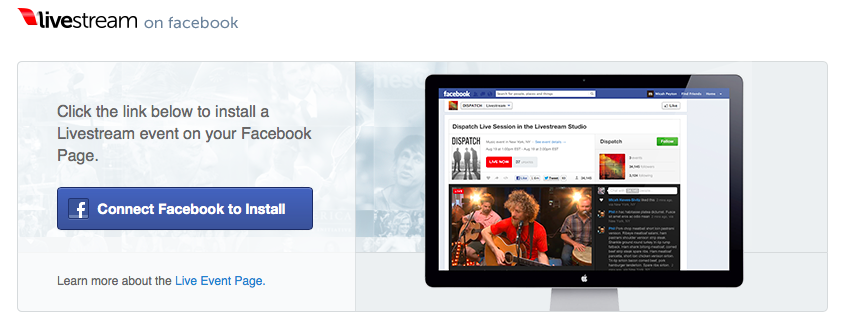
    2. Livestream provides the ability to broadcast live to a wider Facebook Audience.  They announced recently the ability to install the app within your company Facebook page and then choose whether you want to broadcast from your smartphone or computer.  CFA Institute has been working with Livestream since I joined to broadcast high quality sessions from our global events to a wider audience.  We’ve got a channel full of broadcasts we’re always working to integrate these into our social media audience and raise visibility to a wider audience.

    screen-shot-2016-11-18-at-3-32-28-pm

    Once you’re live you’ll be able to engage viewers though comments and your users will have the opportunity to engage with each other providing an interactive broadcasting tool.  Following the end of your event your broadcast will continue to be available for people to find and engage with.  We’ll be integrating this into our 2016 Events Strategy and I will report back on how this works within our mix.

    3. Click to Tweet: If you’ve visited by blog before (or have paid any attention to this post) you’ve already noticed I’ve included click to tweet buttons within a good amount of my content.  As a content producer my goal is to make it simple and easy for readers (like you!) to share my content across social media (and Twitter).  Click to Tweet is hands down the easiest way to promote, share, and track your content within Twitter.   You login and create the message you want tweeted including hashtags, handles, etc and it generates a basic link for you to paste into your content.  You can simply hyperlink the words click to tweet or develop a visual image to easily drive engagement.

    click-to-tweet

    We recently integrated this into one of our marketing campaigns within an email an saw almost 500 tweet from our click to tweet button in the email within the first 12 hours, a total success for our first try.  The free plan allows your five links with auto shortening and tracking and upgrades range from $5 monthly for unlimited links to $500 a year for an enterprise plan to manage multiple accounts (ideal for a business).


    4. Rafflercopter: One of the tools I have my eye on to integrate into my social media marketing mix this year is Rafflecopter.  Social Media is all about engagement, and Rafflecopter provides an easy way for you to create a content to get people engaged with your account and build your following.  I’m a sucker for entering any raffle where I have a chance to win something (really, anything!) and this tool keeps popping up within my feeds! I see endless opportunities for brands and marketers to incorporate this into tool into their strategy to mix things up and make it fun.  Hey, after all everyone likes a chance to win something with 51% of US millennials would share information with companies in exchange for an incentive (USC Annenberg Center for the Digital Future). Click to Tweet.

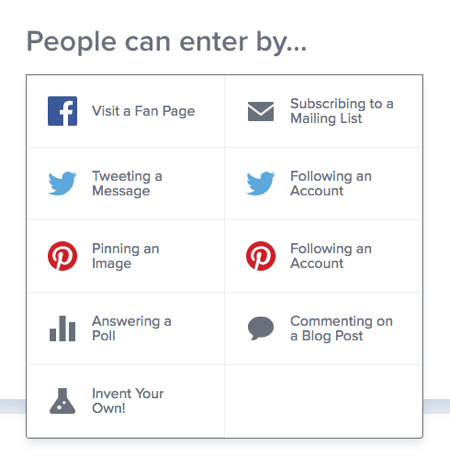
    It’s easy to get started, signing up takes a matter of seconds and once you’re logged in you can setup a giveaway within a few minutes.  You first choose your prize and decide how people can enter through numerous options (and yes, you can click more than one!).  Next you’ll setup a time parameter and set your contest live! They’ve got a free trial you can easily get started with, and it’s inexpensive to continue with their upgraded plans.

    jk-rafflecopter-entry-options.png

    5. Pablo by Buffer: The human brain processes images 60,000 times quicker than text and 90% of the information transmitted to the brain is visual.  Social Media Platforms and Images go hand and hand for success with research by Twitter sharing that adding a photo URL into your tweet can boost retweets by an impressive 35%. Click to Tweet.

    Pablo by Buffer makes it easy to design engaging images for your social media channels within minutes.   The Buffer Blog (one of my favorite sources of content) has a post here about how to get started and integrate into your mix.

    pablo-by-buffer

    The tool provides ready to go templates, images, and quotes for you to use and it makes it fun to style you image adjusting your font or color, switching the photo from blurred to black and white, and adding a line of text or an icon in.  It also allows you to upload an image of your own to overlay with text.  We use this all the time during events to highlight speaker quotes in live time and drive engagement online.   Once you’ve developed your image you can easily share to your social channels, download, or add into your buffer scheduling matrix.  The only downside is they’re desktop only, hopefully a mobile version will come soon for those of us on the go, but to make life better, it’s completely free to use!

    What do you think of the tools I’ve suggested? I would love to hear if they’ve helped you at all, and please take a moment and share your favorite tool with me within the comments or send me a tweet!

    Content Is Fire, Social Media is Gasoline

    In 2013 Dave Kerpen shared a post on LinkedIn entitled Content Is Fire, Social Media is Gasoline.  Within the post he discusses the importance of keeping it real while also keeping it relevant. If your social media informs more often than it promotes, you’re on the right track. If it is deeply helpful rather than deeply promotional, you’re probably on a roll.

    To get a better sense for how businesses can use content and social media together to be successful, Dave Kerpen asked Jay Baer to summarize the concepts of his book Youtility. Within the book he shares information regarding the concept of using marketing to promote your marketing.  Brands often talk too often on social media and miss the mark by never saying anything other than “we’re great” and “buy buy buy.” With so many updates constantly on social media brands are competing for attention, and can do so easily by being useful, not by shouting louder. 

    Dave uses the company ExactTarget as an example, sharing two tweets back to back.  The first is a corporate message less relevant to a wider twitter audience.  The second is a real time tweet which created content on the most popular Olympic sports based on followers, which was sent during the London Olympic games.  The infographic has no information abut ExactTarget’s products and services, rather it used real time relevancy to create interest and to showcase some of it’s products (it has a software allowing companies to monitor and engage on twitter).

    Content is everywhere, you can’t help but consume it within your everyday life.  Everyone has something they want to share with the world and we are constantly taking that information in.  We put content out there through the tools of social networks, leveraging sites like Twitter, Facebook, LinkedIn and so on.

    “Content is fire. Social Media is Gasoline.” – Jay Baer

    Jay-Baer-fire-gasoline

    Social media is what sparks our message and keeps the fire burning faster and brighter. Our number one tool so get our content and our message out there is the social media, and once we start the process, we need to keep feeding our fire.

    “You cannot create without first consuming something.” -Jill Falk

    Within my role I’m consuming content about 90% of my day.  I wake up each morning and check my Twitter account before even stepping out of bed.  I download two newspapers each morning to read on my ipad during my 40 minute train each morning.  I often sit next to my husband silently who does the same, and shares some additional content he finds on the various apps he checks into such as flipboard or good reader.  At work I build social media strategies to help boost the content my company created, and I often get emails on my work and personal accounts with content my friends, family, and co-workers find interesting.

    It’s part of my job to keep up with these things, and also get myself out there.  I send tweets more than I pickup a phone, and I am guilty of constantly checking and updating my social notworks, I admit it, i’m totally addicted.  I learn new things everyday using social media and it keeps me up to date with what’s going on in the world and what is going on with my friends and family.  After we delivered our son and shared the moment with close friends and family, hours later I posted a photo and watched it spread like wildfire, the texts, calls, and messages rolled in.  I remember turning to my husband totally overwhelmed and overjoyed with the amount of messages I had to respond too, and it took me almost two weeks to circle back with everyone!

    I always remember Jay’s words, “Content is the fire, social media is the gasoline.” Keep feeding your fire and keep it going!  Do what you love, and enjoy!